
Losartan Potassium And Hydrochlorothiazide
Losartan Potassium And Hydrochlorothiazide
- SKU
- 42291-503
- Mfr
- AvKARE
$305.97
3 packs × $101.99 each
Minimum order: 3 packs. Each product is sold in quantities worth at least $300.00.
Prescription required. Upload your prescription at checkout or email it to us after ordering. We ship once a pharmacist has checked it. How it works
Losartan potassium and hydrochlorothiazide is a combination of losartan, an angiotensin II receptor blocker (ARB) and hydrochlorothiazide, a diuretic indicated for: Treatment of hypertension, to lower blood pressure.
- Strength
- Losartan Potassium 100 mg/1, Hydrochlorothiazide 12.5 mg/1
- Unit of measure
- Per 1 tablet
- Dosage form
- Tablet, Film Coated
- Route
- Oral
Pharmacologic class
- Angiotensin 2 Receptor AntagonistsMechanism
- Angiotensin 2 Receptor BlockerEstablished class
- Increased DiuresisPhysiologic effect
- Thiazide DiureticEstablished class
- ThiazidesChemical structure
- Brand name
- Losartan Potassium And Hydrochlorothiazide
- Generic name
- Losartan Potassium And Hydrochlorothiazide
- Manufacturer
- AvKARE
- Product NDC (SKU)
- 42291-503
- Active ingredients
- Losartan Potassium 100 mg/1, Hydrochlorothiazide 12.5 mg/1
- Unit of measure
- Per 1 tablet
- Dosage form
- Tablet, Film Coated
- Route
- Oral
- DEA schedule
- Not controlled
- Product type
- HUMAN PRESCRIPTION DRUG
- Marketing category
- ANDA
- Application number
- ANDA201845
- Marketed since
- August 31, 2022
- Label revised
- August 28, 2025
| Package NDC | Description |
|---|---|
| 42291-503-10 | 1000 TABLET, FILM COATED in 1 BOTTLE |
| 42291-503-90 | 90 TABLET, FILM COATED in 1 BOTTLE |
Reading this NDC
42291-503-10
- 01Labeler code
- AvKARE
- 02Product code
- Losartan Potassium And Hydrochlorothiazide, tablet, film coated
- 03Package code
- 1000 tablet, film coated in 1 bottle
II [formed from angiotensin I in a reaction catalyzed by angiotensin converting enzyme (ACE, kininase II)], is a potent vasoconstrictor, the primary vasoactive hormone of the renin-angiotensin system and an important component in the pathophysiology of hypertension. It also stimulates aldosterone secretion by the adrenal cortex. Losartan and its principal active metabolite block the vasoconstrictor and aldosterone-secreting effects of angiotensin II by selectively blocking the binding of angiotensin II to the AT 1 receptor found in many tissues (e.g., vascular smooth muscle, adrenal gland).
There is also an AT 2 receptor found in many tissues but it is not known to be associated with cardiovascular homeostasis. Neither losartan nor its principal active metabolite exhibits any partial agonist activity at the AT 1 receptor, and both have much greater affinity (about 1000-fold) for the AT 1 receptor than for the AT 2 receptor. In vitro binding studies indicate that losartan is a reversible, competitive inhibitor of the AT 1 receptor.
The active metabolite is 10 to 40 times more potent by weight than losartan and appears to be a reversible, non-competitive inhibitor of the AT 1 receptor. Neither losartan nor its active metabolite inhibits ACE (kininase II, the enzyme that converts angiotensin I to angiotensin II and degrades bradykinin), nor do they bind to or block other hormone receptors or ion channels known to be important in cardiovascular regulation.
Hydrochlorothiazide Hydrochlorothiazide is a thiazide diuretic. Thiazides affect the renal tubular mechanisms of electrolyte reabsorption, directly increasing excretion of sodium and chloride in approximately equivalent amounts. Indirectly, the diuretic action of hydrochlorothiazide reduces plasma volume, with consequent increases in plasma renin activity, increases in aldosterone secretion, increases in urinary potassium loss, and decreases in serum potassium.
The renin-aldosterone link is mediated by angiotensin II, so coadministration of an angiotensin II receptor antagonist tends to reverse the potassium loss associated with these diuretics. The mechanism of the antihypertensive effect of thiazides is unknown.
Warning: Fetal toxicity
When pregnancy is detected, discontinue losartan potassium and hydrochlorothiazide as soon as possible. Drugs that act directly on the renin-angiotensin system can cause injury and death to the developing fetus [see Warnings and Precautions
]. WARNING: FETAL TOXICITY See full prescribing information for complete boxed warning. When pregnancy is detected, discontinue losartan potassium and hydrochlorothiazide as soon as possible. Drugs that act directly on the renin-angiotensin system can cause injury and death to the developing fetus.
Losartan potassium and hydrochlorothiazide is a combination of losartan, an angiotensin II receptor blocker (ARB) and hydrochlorothiazide, a diuretic indicated for: Treatment of hypertension, to lower blood pressure. Lowering blood pressure reduces the risk of fatal and nonfatal cardiovascular events, primarily strokes and myocardial infarctions.
Reduction of the risk of stroke in patients with hypertension and left ventricular hypertrophy. There is evidence that this benefit does not apply to Black patients.
Hypertension
Losartan potassium and hydrochlorothiazide is indicated for the treatment of hypertension, to lower blood pressure. Lowering blood pressure lowers the risk of fatal and non-fatal cardiovascular (CV) events, primarily strokes and myocardial infarction. These benefits have been seen in controlled trials of antihypertensive drugs from a wide variety of pharmacologic classes including losartan and hydrochlorothiazide.
Control of high blood pressure should be part of comprehensive cardiovascular risk management, including, as appropriate, lipid control, diabetes management, antithrombotic therapy, smoking cessation, exercise, and limited sodium intake. Many patients will require more than 1 drug to achieve blood pressure goals. For specific advice on goals and management, see published guidelines, such as those of the National High Blood Pressure Education Program’s Joint National Committee on Prevention, Detection, Evaluation, and Treatment of High Blood Pressure (JNC).
Numerous antihypertensive drugs, from a variety of pharmacologic classes and with different mechanisms of action, have been shown in randomized controlled trials to reduce cardiovascular morbidity and mortality, and it can be concluded that it is blood pressure reduction, and not some other pharmacologic property of the drugs, that is largely responsible for those benefits.
The largest and most consistent cardiovascular outcome benefit has been a reduction in the risk of stroke, but reductions in myocardial infarction and cardiovascular mortality also have been seen regularly. Elevated systolic or diastolic pressure causes increased cardiovascular risk, and the absolute risk increase per mmHg is greater at higher blood pressures, so that even modest reductions of severe hypertension can provide substantial benefit.
Relative risk reduction from blood pressure reduction is similar across populations with varying absolute risk, so the absolute benefit is greater in patients who are at higher risk independent of their hypertension (for example, patients with diabetes or hyperlipidemia), and such patients would be expected to benefit from more aggressive treatment to a lower blood pressure goal.
Some antihypertensive drugs have smaller blood pressure effects (as monotherapy) in Black patients, and many antihypertensive drugs have additional approved indications and effects (e.g., on angina, heart failure, or diabetic kidney disease). These considerations may guide selection of therapy. This fixed dose combination is not indicated for initial therapy of hypertension, except when the hypertension is severe enough that the value of achieving prompt blood pressure control exceeds the risk of initiating combination therapy in these patients [see Clinical Studies
and Dosage and Administration
]. Losartan potassium and hydrochlorothiazide may be administered with other antihypertensive agents.
Hypertensive
Patients with Left Ventricular Hypertrophy Losartan potassium and hydrochlorothiazide is indicated to reduce the risk of stroke in patients with hypertension and left ventricular hypertrophy, but there is evidence that this benefit does not apply to Black patients. [See Use in Specific Populations
, Clinical Pharmacology
, and Dosage and Administration
.]
Read before you order

Heart health · 2 min read
Blood pressure medicines explained: ACE inhibitors, ARBs, amlodipine and more
How lisinopril, losartan, amlodipine, hydrochlorothiazide and metoprolol lower blood pressure, and their most common side effects.

Heart health · 2 min read
Statins and cholesterol: how atorvastatin protects your heart
How statins lower LDL cholesterol, who benefits, the truth about muscle aches and what to avoid while taking atorvastatin.
Heart health · 2 min read
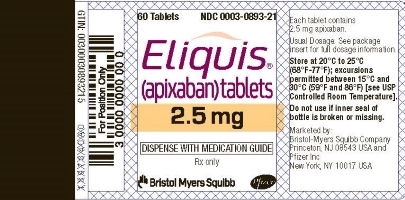
Taking apixaban safely: a guide to blood thinners
Why apixaban is prescribed, how to take it twice a day, bleeding signs to watch for and medicines to avoid.
More in Cardiac
View allGeneric · Tablet
Amlodipine Besylate
Amlodipine Besylate 10 mg/1
- SKU
- 67046-1157
- Mfr
- Coupler LLC
From $4.99Min. 61 packs

Generic · Tablet
Amlodipine Besylate
Amlodipine Besylate 10 mg/1
- SKU
- 67296-2297
- Mfr
- Redpharm Drug
From $4.99Min. 61 packs
Generic · Tablet
Atorvastatin Calcium
Atorvastatin Calcium Trihydrate 20 mg/1
- SKU
- 67046-1403
- Mfr
- Coupler LLC
From $4.99Min. 61 packs

Generic · Tablet
Atorvastatin Calcium
Atorvastatin Calcium Trihydrate 10 mg/1
- SKU
- 67046-1677
- Mfr
- Coupler LLC
From $4.99Min. 61 packs