Why it is prescribed
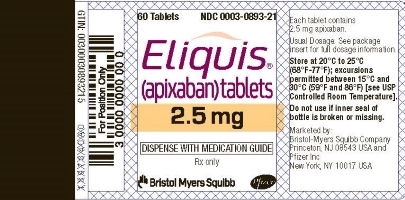
Apixaban blocks factor Xa, a step in the clotting process. In atrial fibrillation, an irregular heartbeat lets blood pool in the heart and form clots that can travel to the brain; apixaban greatly reduces that stroke risk. It is also used to treat and prevent deep vein thrombosis and pulmonary embolism.
Taking it
Take it twice daily, with or without food. If you miss a dose, take it as soon as you remember the same day and continue as normal; do not double up. Stopping suddenly increases the risk of stroke or clots, so always speak to your prescriber first.
Tell every dentist, surgeon and doctor that you take apixaban. It usually needs to be paused before operations; your team will tell you when.
Bleeding: what to watch for
Minor bruising and slightly longer bleeding from cuts are expected. Get urgent help for:
- Vomiting blood or material that looks like coffee grounds.
- Black, tarry stools or red blood in stools or urine.
- A severe headache, especially after a head injury.
- Bleeding that will not stop, or coughing up blood.
Medicines to avoid
See treatments in our heart health category.
- NSAIDs such as ibuprofen, naproxen and high-dose aspirin, unless your doctor says otherwise. Paracetamol is usually preferred for pain.
- Other blood thinners, unless prescribed together.
- Some antifungals, HIV medicines and epilepsy medicines that change apixaban levels.
- Herbal remedies such as St John's wort, ginkgo and high-dose fish oil.
Questions people ask
Can I drink alcohol on apixaban?
Moderate amounts are usually fine, but heavy drinking raises bleeding risk.
Do I need blood tests on apixaban?
Not routinely for the dose, but kidney function is checked periodically because it affects how the medicine is cleared.
This article is general information, not medical advice. Every medicine affects people differently; ask your doctor or one of our pharmacists before starting, stopping or changing a treatment. In an emergency, contact your local emergency services.