Injections
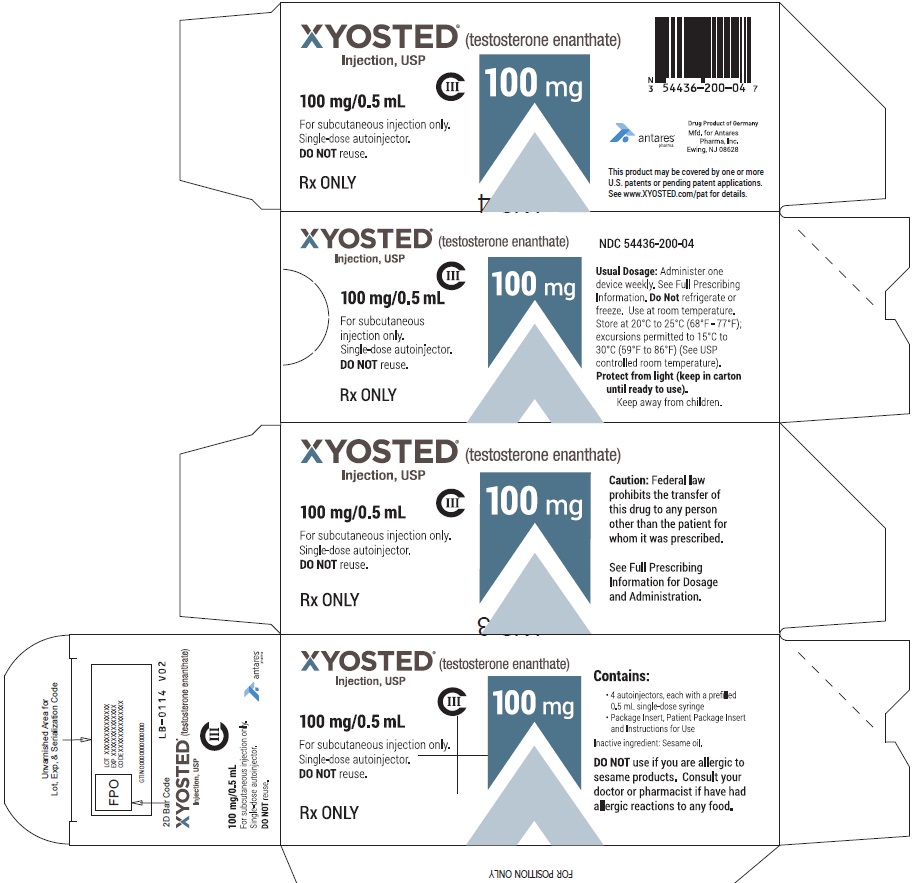
Testosterone cypionate and enanthate are oil-based injections into muscle or under the skin, typically every one to two weeks. Levels rise after each injection and fall before the next, which some men notice as energy or mood changes towards the end of the cycle. Smaller, more frequent doses smooth this out.
Long-acting testosterone undecanoate injections are given in clinic, usually every 10 to 14 weeks after loading doses. Rarely, the oil can travel to the lungs and cause coughing or breathlessness shortly after the injection, so you are observed for a short time afterwards.
Gels and patches
Gels are rubbed into the shoulders, upper arms or thighs once a day and give fairly steady levels. The main risk is transfer: women and children who touch treated skin can absorb testosterone, which can cause unwanted hair growth, acne and early puberty in children.
- Wash your hands after applying.
- Let the gel dry and cover the area with clothing.
- Wash the area before close skin contact.
Oral capsules
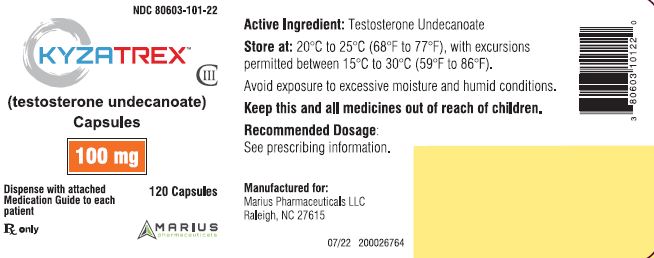
Older oral testosterone could harm the liver, but newer testosterone undecanoate capsules are absorbed through the lymphatic system with food and avoid that problem. They are taken twice a day with meals. They can raise blood pressure, so it is checked regularly.
Choosing a form
Your prescriber will consider your preference, whether you live with women or children, your blood pressure and how easily you can get injections. Every form needs the same safety checks; read about monitoring and risks. See the products in our low testosterone category.
Questions people ask
Which testosterone treatment is best?
There is no single best form. Injections are usually cheapest, gels give steadier levels, and capsules avoid needles. The right one depends on your circumstances.
Can I order testosterone online?
Testosterone is a controlled medicine. We dispense it in store only, against your original prescription.
This article is general information, not medical advice. Every medicine affects people differently; ask your doctor or one of our pharmacists before starting, stopping or changing a treatment. In an emergency, contact your local emergency services.