Symptoms
Many of these symptoms have other causes, such as depression, poor sleep or thyroid problems, so a blood test is needed to know.
- Reduced sex drive and fewer spontaneous or morning erections.
- Tiredness, low mood and poor concentration.
- Loss of muscle mass and strength, and increased body fat.
- Reduced body hair and, over time, thinner bones.
How it is tested
Testosterone is highest in the morning and varies from day to day, so the test is taken before about 10am, ideally after fasting. A single low result is not enough: guidelines recommend confirming it with a second test.
Doctors also measure LH and FSH, the pituitary hormones that drive testosterone production. Their levels show whether the problem lies in the testes (primary) or the pituitary or brain (secondary).
Causes
Losing weight and treating sleep apnoea can raise testosterone significantly in some men.
- Obesity and type 2 diabetes, which are among the most common causes.
- Long-term opioid or steroid use.
- Pituitary conditions, head injury or genetic conditions such as Klinefelter syndrome.
- Damage to the testes from injury, infection, chemotherapy or radiotherapy.
- Serious illness and very poor sleep, including untreated sleep apnoea.
If treatment is needed
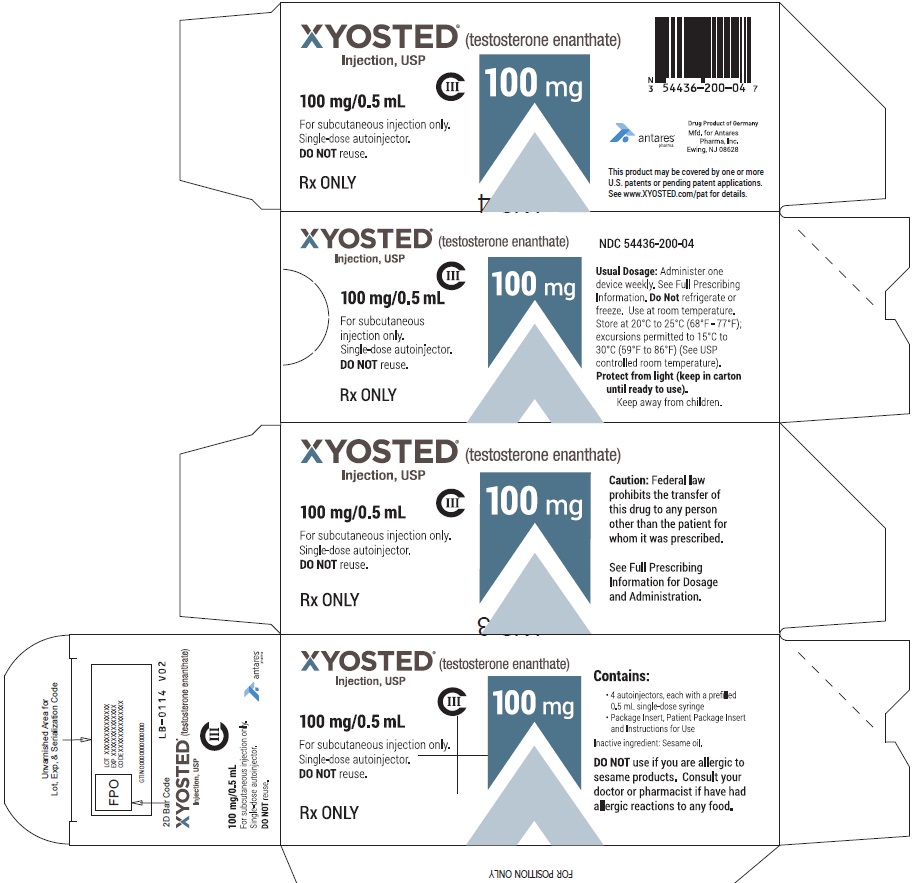
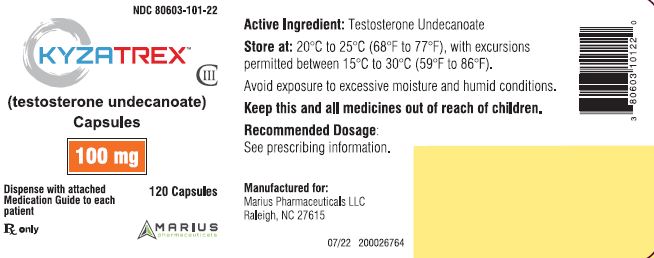
If tests confirm low testosterone with symptoms, testosterone replacement may be offered. Read about the forms of testosterone therapy and the monitoring it needs. Products are listed in our low testosterone category.
Questions people ask
What is a normal testosterone level?
Laboratories use slightly different ranges, but many define low total testosterone as below about 300 ng/dL (around 10 nmol/L). Your doctor interprets the result alongside symptoms.
Why does the test have to be in the morning?
Testosterone peaks in the early morning. An afternoon test can look low in a man whose levels are normal.
This article is general information, not medical advice. Every medicine affects people differently; ask your doctor or one of our pharmacists before starting, stopping or changing a treatment. In an emergency, contact your local emergency services.