Lithium
Lithium is one of the most effective treatments for bipolar disorder and reduces the risk of suicide. The difference between an effective and a toxic level is small, so the dose is set by blood tests.
Levels are checked about 12 hours after the last dose, frequently when starting and then every three to six months. Kidney and thyroid function and calcium are checked too, as lithium can affect them over time.
- Drink enough fluid every day, more in hot weather or when exercising.
- Keep your salt intake steady; sudden changes affect lithium levels.
- Avoid NSAIDs such as ibuprofen unless your doctor approves, and tell any prescriber you take lithium. Some blood pressure medicines and diuretics also raise levels.
- If you have vomiting or diarrhoea, contact your doctor; you may need to pause a dose.
Signs of lithium toxicity
Get medical help urgently if you notice any of these.
- Severe nausea, vomiting or diarrhoea.
- A coarse tremor, muscle twitching or unsteadiness.
- Slurred speech, confusion or extreme drowsiness.
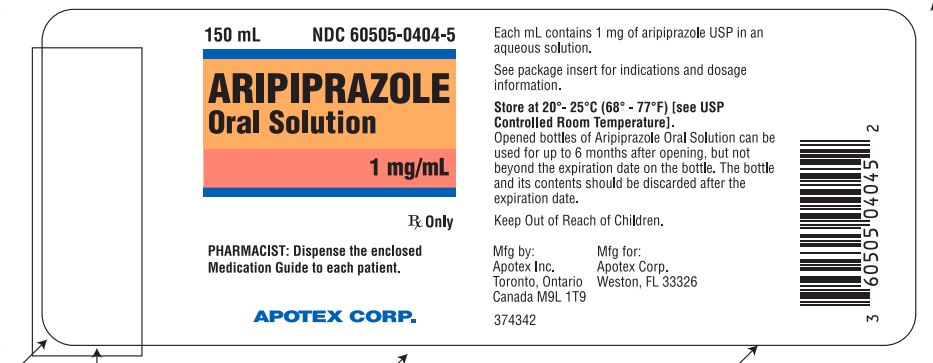
Aripiprazole and quetiapine
These atypical antipsychotics treat schizophrenia and bipolar disorder and are sometimes added to an antidepressant. Quetiapine is often sedating and linked to weight gain; aripiprazole tends to cause less weight gain but can cause restlessness, called akathisia.
Both can affect weight, blood sugar and cholesterol, so these are checked at the start and regularly afterwards. Report uncontrollable movements, a very high temperature with stiff muscles, or compulsive urges such as gambling, which has been linked to aripiprazole.
More on mental health medicines
Read about starting an SSRI or browse our mental health category.
Questions people ask
Why do I need blood tests on lithium?
Lithium only works within a narrow range, and levels above it can be toxic. Blood tests make sure your dose is right and check your kidneys and thyroid.
Can I take ibuprofen with lithium?
NSAIDs such as ibuprofen can raise lithium levels. Paracetamol is usually a safer choice, but check with a pharmacist.
This article is general information, not medical advice. Every medicine affects people differently; ask your doctor or one of our pharmacists before starting, stopping or changing a treatment. In an emergency, contact your local emergency services.