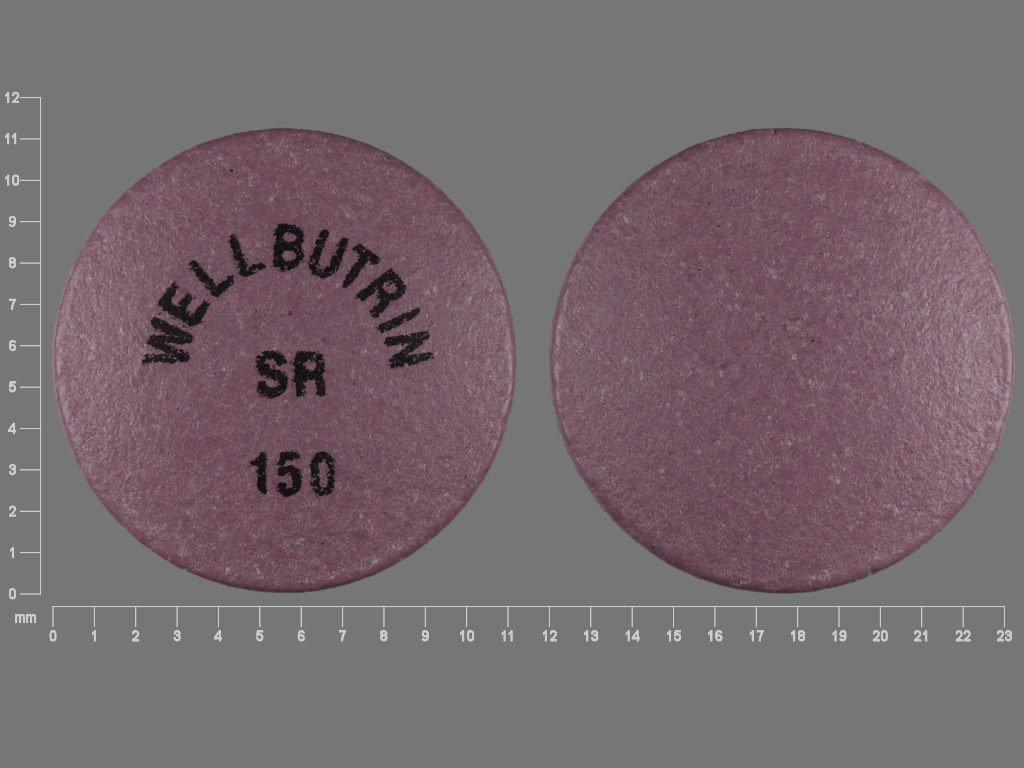
How bupropion works
Bupropion blocks the reuptake of dopamine and noradrenaline. It treats depression and seasonal affective disorder and is also used to help people stop smoking. It tends to be energising rather than sedating, so it is taken in the morning.
Why it is chosen
Because it does not act on serotonin, bupropion rarely causes the sexual side effects common with SSRIs, and it is less linked to weight gain. It is sometimes added to an SSRI to counter those effects or boost the response.
Common side effects include dry mouth, insomnia, headache, nausea and feeling restless.
Who should avoid it
Never take extra doses to catch up, as higher doses raise seizure risk.
- People with epilepsy or a history of seizures.
- People with bulimia or anorexia, who have a higher seizure risk.
- People stopping alcohol, benzodiazepines or anti-seizure medicines abruptly.
- Anyone taking an MAO inhibitor, or with a brain tumour or severe liver disease.
Dextromethorphan with bupropion
This combination tablet pairs bupropion with dextromethorphan, which acts on NMDA receptors. Bupropion slows the breakdown of dextromethorphan so it lasts long enough to work. In trials, some people improved within one to two weeks. It carries the same seizure precautions as bupropion and should not be combined with other serotonin-raising medicines without advice.
Read about starting an SSRI or browse our mental health category.
Questions people ask
Does bupropion cause weight gain?
It is one of the antidepressants least likely to cause weight gain, and some people lose a little weight.
Can bupropion help me quit smoking?
Yes, it is licensed for smoking cessation in many countries, usually started a week or two before the quit date.
This article is general information, not medical advice. Every medicine affects people differently; ask your doctor or one of our pharmacists before starting, stopping or changing a treatment. In an emergency, contact your local emergency services.