
Atomoxetine
Atomoxetine
- SKU
- 71335-3033
- Mfr
- Bryant Ranch Prepack
30 capsule in 1 bottle
$303.84
16 packs × $18.99 each
Minimum order: 16 packs. Each product is sold in quantities worth at least $300.00.
Prescription required. Upload your prescription at checkout or email it to us after ordering. We ship once a pharmacist has checked it. How it works
Atomoxetine is selective norepinephrine reuptake inhibitor indicated for the treatment of Attention-Deficit/Hyperactivity Disorder (ADHD). 1 Attention-Deficit/Hyperactivity Disorder (ADHD) Atomoxetine is indicated for the treatment of Attention-Deficit/Hyperactivity Disorder (ADHD).
- Strength
- Atomoxetine Hydrochloride 40 mg/1
- Unit of measure
- Per 1 capsule
- Dosage form
- Capsule
- Route
- Oral
Pharmacologic class
- Norepinephrine Reuptake InhibitorEstablished class
- Norepinephrine Uptake InhibitorsMechanism
- Brand name
- Atomoxetine
- Generic name
- Atomoxetine
- Manufacturer
- Bryant Ranch Prepack
- Product NDC (SKU)
- 71335-3033
- Active ingredients
- Atomoxetine Hydrochloride 40 mg/1
- Unit of measure
- Per 1 capsule
- Dosage form
- Capsule
- Route
- Oral
- DEA schedule
- Not controlled
- Product type
- HUMAN PRESCRIPTION DRUG
- Marketing category
- ANDA
- Application number
- ANDA079021
- Marketed since
- July 1, 2025
- Label revised
- December 3, 2025
| Package NDC | Description |
|---|---|
| 71335-3033-1 | 30 CAPSULE in 1 BOTTLE |
Reading this NDC
71335-3033-1
- 01Labeler code
- Bryant Ranch Prepack
- 02Product code
- Atomoxetine, capsule
- 03Package code
- 30 capsule in 1 bottle
The precise mechanism by which atomoxetine produces its therapeutic effects in Attention-Deficit/Hyperactivity Disorder (ADHD) is unknown, but is thought to be related to selective inhibition of the pre-synaptic norepinephrine transporter, as determined in ex vivo uptake and neurotransmitter depletion studies.
Atomoxetine increased the risk of suicidal ideation in short-term studies in children or adolescents with Attention-Deficit/Hyperactivity Disorder (ADHD). Anyone considering the use of atomoxetine in a child or adolescent must balance this risk with the clinical need. Co-morbidities occurring with ADHD may be associated with an increase in the risk of suicidal ideation and/or behavior.
Patients who are started on therapy should be monitored closely for suicidality (suicidal thinking and behavior), clinical worsening, or unusual changes in behavior. Families and caregivers should be advised of the need for close observation and communication with the prescriber. Atomoxetine is approved for ADHD in pediatric and adult patients. Atomoxetine is not approved for major depressive disorder.
Pooled analyses of short-term (6 to 18 weeks) placebo-controlled trials of atomoxetine in children and adolescents (a total of 12 trials involving over 2200 patients, including 11 trials in ADHD and 1 trial in enuresis) have revealed a greater risk of suicidal ideation early during treatment in those receiving atomoxetine compared to placebo. The average risk of suicidal ideation in patients receiving atomoxetine was 0.4% (5/1357 patients), compared to none in placebo-treated patients (851 patients).
No suicides occurred in these trials. WARNING: SUICIDAL IDEATION IN CHILDREN AND ADOLESCENTS See full prescribing information for complete boxed warning.
- Increased risk of suicidal ideation in children or adolescents
- No suicides occurred in clinical trials
- Patients started on therapy should be monitored closely
Atomoxetine is selective norepinephrine reuptake inhibitor indicated for the treatment of Attention-Deficit/Hyperactivity Disorder (ADHD).
Attention-Deficit/Hyperactivity Disorder (ADHD)
Atomoxetine is indicated for the treatment of Attention-Deficit/Hyperactivity Disorder (ADHD). The efficacy of atomoxetine is established in seven clinical trials in outpatients with ADHD: four 6 to 9-week trials in pediatric patients (ages 6 to 18), two 10-week trial in adults, and one maintenance trial in pediatrics (ages 6 to 15).
Diagnostic Considerations
A diagnosis of ADHD (DSM-IV) implies the presence of hyperactive-impulsive or inattentive symptoms that cause impairment and that were present before age 7 years. The symptoms must be persistent, must be more severe than is typically observed in individuals at a comparable level of development, must cause clinically significant impairment, e.g., in social, academic, or occupational functioning, and must be present in 2 or more settings, e.g., school (or work) and at home.
The symptoms must not be better accounted for by another mental disorder. The specific etiology of ADHD is unknown, and there is no single diagnostic test. Adequate diagnosis requires the use not only of medical but also of special psychological, educational, and social resources. Learning may or may not be impaired. The diagnosis must be based upon a complete history and evaluation of the patient and not solely on the presence of the required number of DSM-IV characteristics.
For the Inattentive Type, at least 6 of the following symptoms must have persisted for at least 6 months: lack of attention to details/careless mistakes, lack of sustained attention, poor listener, failure to follow through on tasks, poor organization, avoids tasks requiring sustained mental effort, loses things, easily distracted, forgetful. For the Hyperactive-Impulsive Type, at least 6 of the following symptoms must have persisted for at least 6 months: fidgeting/squirming, leaving seat, inappropriate running/climbing, difficulty with quiet activities, "on the go," excessive talking, blurting answers, can't wait turn, intrusive.
For a Combined Type diagnosis, both inattentive and hyperactive-impulsive criteria must be met.
Need for Comprehensive
Treatment Program Atomoxetine is indicated as an integral part of a total treatment program for ADHD that may include other measures (psychological, educational, social) for patients with this syndrome. Drug treatment may not be indicated for all patients with this syndrome. Drug treatment is not intended for use in the patient who exhibits symptoms secondary to environmental factors and/or other primary psychiatric disorders, including psychosis.
Appropriate educational placement is essential in children and adolescents with this diagnosis and psychosocial intervention is often helpful. When remedial measures alone are insufficient, the decision to prescribe drug treatment medication will depend upon the physician's assessment of the chronicity and severity of the patient's symptoms.
Read before you order

ADHD · 2 min read
ADHD medication: stimulants vs non-stimulants
How methylphenidate, amphetamines, lisdexamfetamine, atomoxetine, guanfacine and viloxazine work, and how doctors choose between them.

ADHD · 2 min read
Living with ADHD medication side effects
Practical ways to handle reduced appetite, poor sleep and the afternoon crash on ADHD medicine, and when to call your doctor.

ADHD · 2 min read
ADHD medication in adults: what is different
Adult ADHD is often diagnosed late. Here is how treatment works for adults, including heart checks, interactions and alcohol.
More in ADHD
View all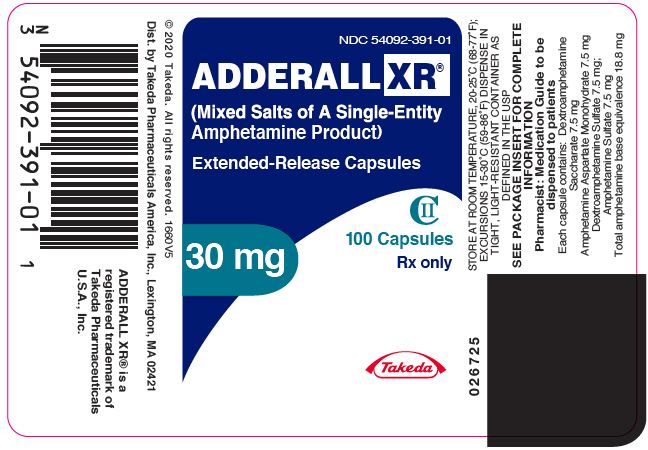
Brand · Capsule
Adderall XR
Dextroamphetamine Sulfate 1.25 mg/1, Dextroamphetamine Saccharate 1.25 mg/1, Amphetamine Aspartate Monohydrate 1.25 mg/1, Amphetamine Sulfate 1.25 mg/1
- SKU
- 54092-381
- Mfr
- Takeda Pharmaceuticals America, Inc.
From $922.99Prescription required
Brand · Solution
Arynta
Lisdexamfetamine Dimesylate 10 mg/mL
- SKU
- 24338-019
- Mfr
- Azurity Pharmaceuticals, Inc.
From $1,100.00Prescription required

Generic · Capsule
Atomoxetine
Atomoxetine Hydrochloride 40 mg/1
- SKU
- 0904-6908
- Mfr
- Major Pharmaceuticals
From $18.99Min. 16 packs
Brand · Solution
Atoncy
Atomoxetine Hydrochloride 4 mg/mL
- SKU
- 30698-456
- Mfr
- Validus Pharmaceuticals LLC
From $205.06Min. 2 packs