What GLP-1 does in the body
Glucagon-like peptide-1 (GLP-1) is a hormone your gut releases after you eat. It prompts the pancreas to release insulin when blood sugar is high, slows the stomach so food stays there longer, and acts on appetite centres in the brain so you feel full sooner and think about food less.
Natural GLP-1 lasts only a couple of minutes in the blood. The medicines are modified versions that last much longer, which is why a single injection can work for a whole week.
The main medicines
The medicines in this group differ in how often you take them and which hormones they target.
- Semaglutide: a weekly injection, sold under different brand names for weight management and for type 2 diabetes. An oral tablet version is taken daily.
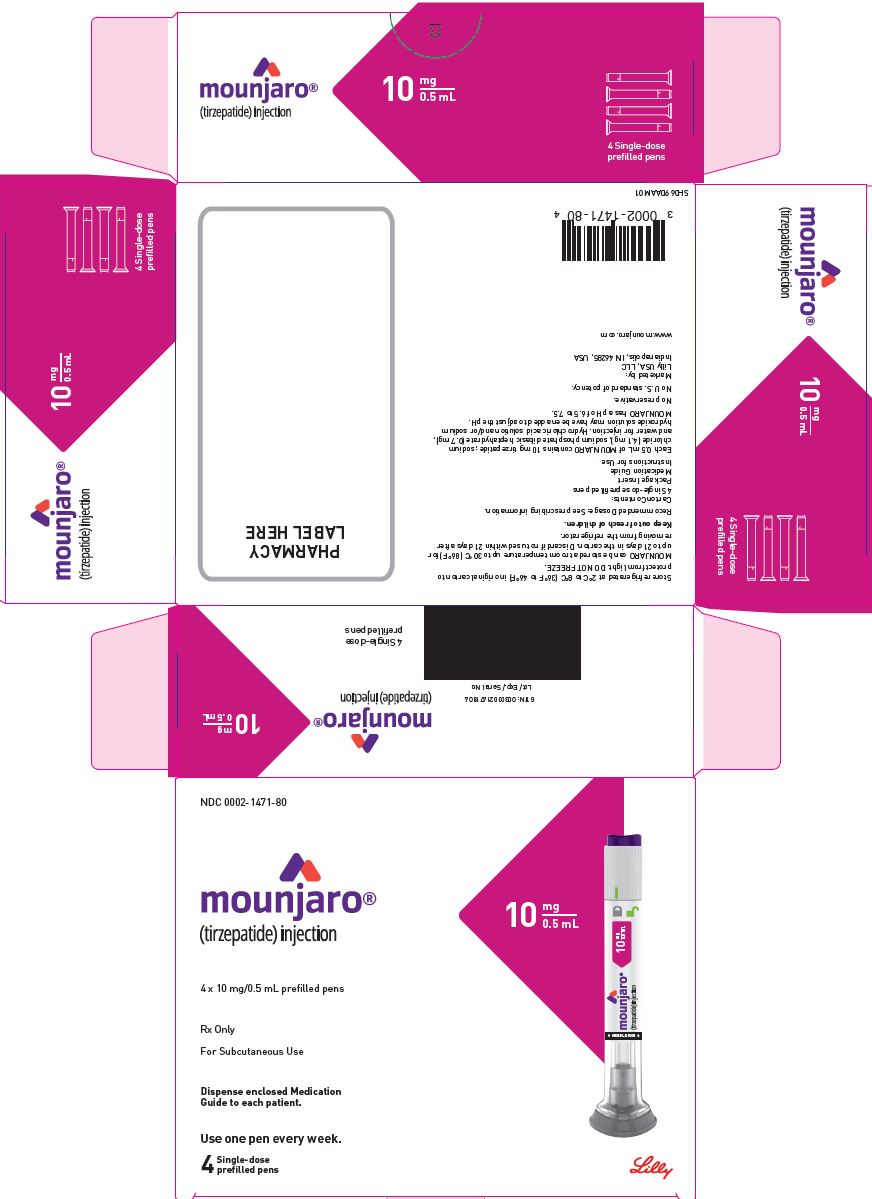
- Tirzepatide: a weekly injection that acts on two hormone receptors, GLP-1 and GIP. In clinical trials it produced larger average weight loss than older options.
- Liraglutide: an older, daily injection. It is still used, particularly where weekly options are unavailable.
What to expect when you start
Your prescriber starts you on a low dose and increases it in steps, usually every four weeks. The early doses are mainly there to let your stomach adjust, so it is normal to lose little weight in the first month.
The most common side effects are nausea, fullness, constipation, diarrhoea and reflux. They are usually worst for a few days after each dose increase. Eating smaller meals, stopping when you feel full and avoiding very fatty food helps. See our guide to managing GLP-1 side effects for more.
Trials measured results over a year or more. Most people who respond lose weight steadily over the first six to twelve months before it levels off.
Who should not use them
GLP-1 medicines are not suitable for everyone. Your prescriber will check your history before starting, and you should tell them if any of the following apply to you.
- You or a close family member have had medullary thyroid cancer, or you have multiple endocrine neoplasia type 2 (MEN 2).
- You have had pancreatitis.
- You are pregnant, trying to conceive or breastfeeding. Semaglutide should usually be stopped at least two months before a planned pregnancy.
- You take insulin or a sulfonylurea for diabetes, as the doses may need lowering to prevent low blood sugar.
What happens if you stop
These medicines treat weight as a long-term condition rather than curing it. In studies where people stopped treatment, most regained a large part of the weight within a year. Talk to your prescriber before stopping, and plan how you will keep up the habits you built while on treatment.
Browse the injections and tablets we stock in our weight management category.
Questions people ask
How long does it take for a GLP-1 medicine to work?
Appetite often drops within the first week or two, but noticeable weight loss usually takes one to three months because the dose is increased gradually.
Is semaglutide the same as tirzepatide?
No. Both are weekly injections, but tirzepatide also acts on the GIP receptor. They are different medicines with different doses, so you cannot swap one for the other without a new prescription.
Do I need a prescription?
Yes. GLP-1 medicines are prescription-only. A pharmacist checks your prescription before any order is dispensed. See how prescriptions work.
This article is general information, not medical advice. Every medicine affects people differently; ask your doctor or one of our pharmacists before starting, stopping or changing a treatment. In an emergency, contact your local emergency services.