How they work
Combined pills stop ovulation, thicken cervical mucus so sperm cannot get through, and thin the womb lining. Progestogen-only pills mainly thicken mucus, and some (such as desogestrel and drospirenone-only pills) also stop ovulation.
The combined pill
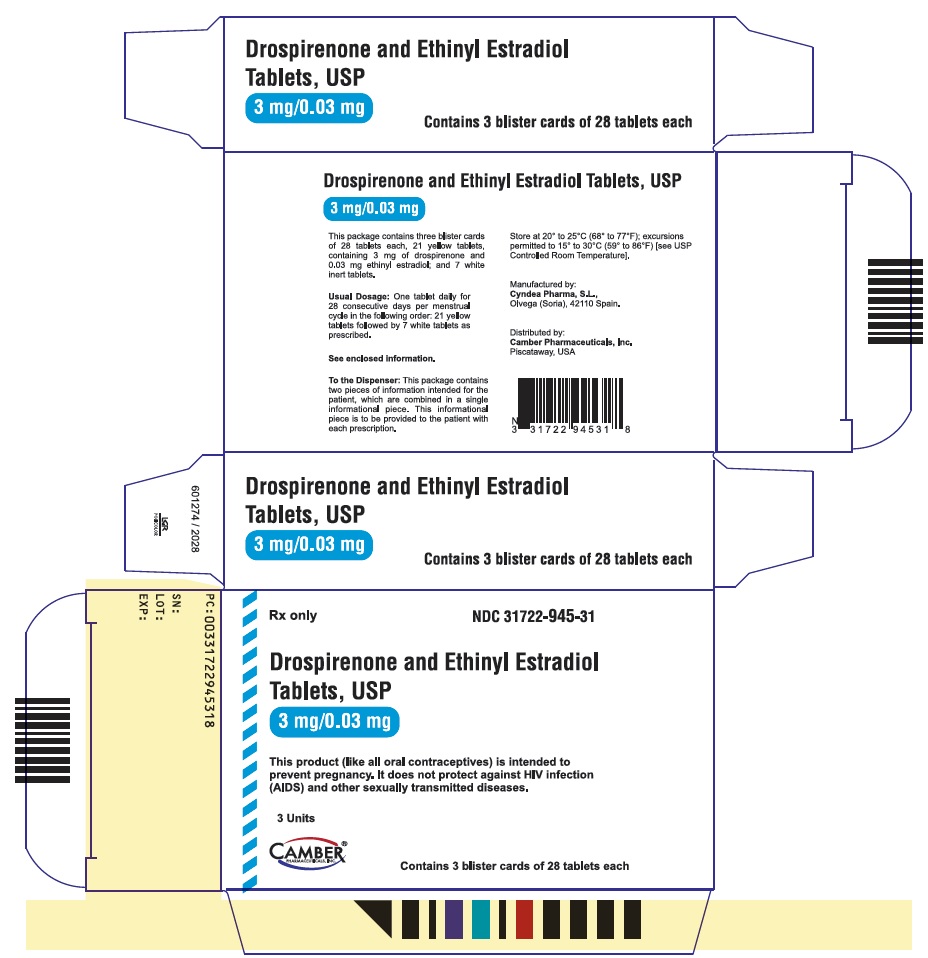
Combined pills contain ethinylestradiol or estradiol with a progestogen such as norethindrone or drospirenone. Many people like the more predictable, often lighter and less painful bleeds, and some pills help acne.
The oestrogen slightly raises the risk of blood clots, heart attack and stroke. The overall risk remains low, but combined pills are not suitable if you are over 35 and smoke, get migraine with aura, have had a blood clot, have certain heart conditions or have high blood pressure.
Drospirenone has a mild diuretic effect and can raise potassium, so tell your prescriber if you take medicines that do the same, such as some blood pressure tablets.
The progestogen-only pill
Without oestrogen, the progestogen-only pill suits people who cannot take combined pills, including smokers over 35, those with migraine with aura and those breastfeeding. It is taken every day with no break.
Irregular bleeding is the most common side effect, especially in the first few months. Some people stop bleeding altogether.
Missed pills
Rules differ between pill types and brands. As a general guide, with combined pills one missed pill is usually covered if you take it as soon as you remember. Older progestogen-only pills must be taken within three hours of the usual time, while newer ones have a 12- or 24-hour window. Always check the leaflet in your pack and ask a pharmacist if you are unsure whether you need emergency contraception.
Vomiting within a few hours of a pill or severe diarrhoea can stop it being absorbed, and some medicines, including certain epilepsy and HIV treatments and the antibiotic rifampicin, reduce how well pills work.
Browse options in our women's health category.
Questions people ask
Does the pill cause weight gain?
Large studies have not found that the pill causes significant weight gain, though some people notice fluid retention in the first months.
Do antibiotics stop the pill working?
Most antibiotics do not. Rifampicin and rifabutin do, and some other medicines can, so always tell the pharmacist you take the pill.
Can I take the pill back to back to skip a period?
With many combined pills this is safe and common, but check with your prescriber or pharmacist for your specific pill.
This article is general information, not medical advice. Every medicine affects people differently; ask your doctor or one of our pharmacists before starting, stopping or changing a treatment. In an emergency, contact your local emergency services.