How antihistamines work
When you meet an allergen such as pollen, cells in your nose and eyes release histamine, which causes sneezing, itching, a runny nose and watery eyes. Antihistamines block histamine's H1 receptor so it cannot trigger those symptoms.
Second-generation antihistamines such as cetirizine and fexofenadine cross into the brain much less than older ones such as chlorphenamine, so they cause less drowsiness.
How they compare
If one antihistamine does not help, another may work better for you.
- Cetirizine: starts working within an hour and lasts 24 hours. A minority of people feel slightly drowsy, so try it first at a time when that would not matter.
- Fexofenadine: the least likely to cause drowsiness, a good choice for drivers and pilots. Take it with water; grapefruit, orange and apple juice can cut absorption considerably.
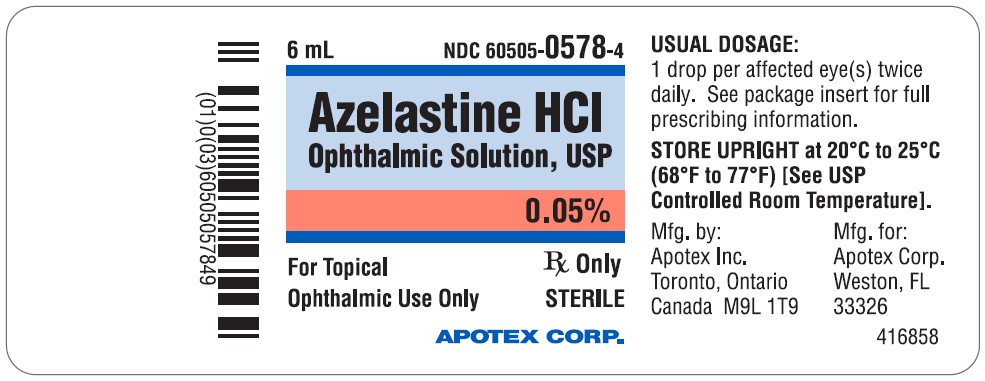
- Azelastine nasal spray: an antihistamine applied directly in the nose, working within minutes. It can leave a bitter taste.
Getting the best results
For hay fever, start taking an antihistamine before the pollen season, or as soon as symptoms begin, and take it every day rather than only on bad days. For a blocked nose, add a steroid nasal spray.
Even non-drowsy antihistamines can add to the effects of alcohol and sedating medicines. Browse treatments in our allergy & sinus category.
Questions people ask
Which antihistamine is least drowsy?
Fexofenadine is generally the least sedating, followed by loratadine. Cetirizine causes mild drowsiness in some people.
Can I take an antihistamine every day?
Yes, second-generation antihistamines are suitable for daily use through the allergy season and for long-term conditions such as chronic hives.
This article is general information, not medical advice. Every medicine affects people differently; ask your doctor or one of our pharmacists before starting, stopping or changing a treatment. In an emergency, contact your local emergency services.