What alopecia areata is
Alopecia areata causes patches of hair loss, and in severe forms loss of all scalp or body hair. Immune cells attack the base of hair follicles, but the follicles are usually not destroyed, which is why hair can grow back.
It is a different condition from male or female pattern hair loss, which is treated with finasteride or minoxidil.
How JAK inhibitors work
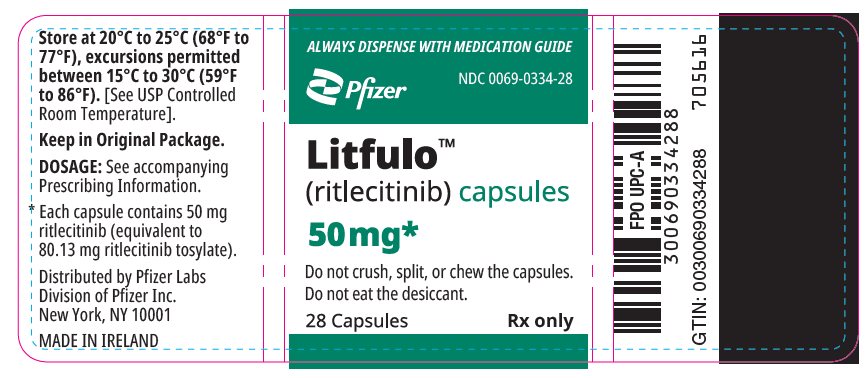
Janus kinases (JAKs) are enzymes that pass inflammatory signals inside immune cells. Blocking them interrupts the attack on follicles. Baricitinib is approved for severe alopecia areata in adults, and ritlecitinib for people aged 12 and over.
Regrowth is gradual. In trials, a meaningful share of people achieved substantial scalp coverage after six to twelve months, while others responded partly or not at all. Hair loss often returns if treatment stops.
Risks and monitoring
JAK inhibitors suppress parts of the immune system and carry boxed warnings. Your specialist will discuss these before you start.
- Serious infections, including tuberculosis and shingles. You will be screened for TB and hepatitis first.
- Blood clots in the legs or lungs.
- Heart attack, stroke and certain cancers, with higher risk in older people and smokers.
- Changes in blood counts, cholesterol and liver tests, checked with regular blood tests.
Living with treatment
Tell your doctor about any fever, persistent cough, painful rash, leg swelling or chest pain. Avoid live vaccines during treatment and check your vaccinations are up to date before you start. See the products in our hair loss category.
Questions people ask
Do JAK inhibitors work for male pattern baldness?
No. They treat the immune attack in alopecia areata, not hormone-driven pattern hair loss.
How long until hair grows back?
Usually several months. Specialists generally assess the response after around six months.
This article is general information, not medical advice. Every medicine affects people differently; ask your doctor or one of our pharmacists before starting, stopping or changing a treatment. In an emergency, contact your local emergency services.